

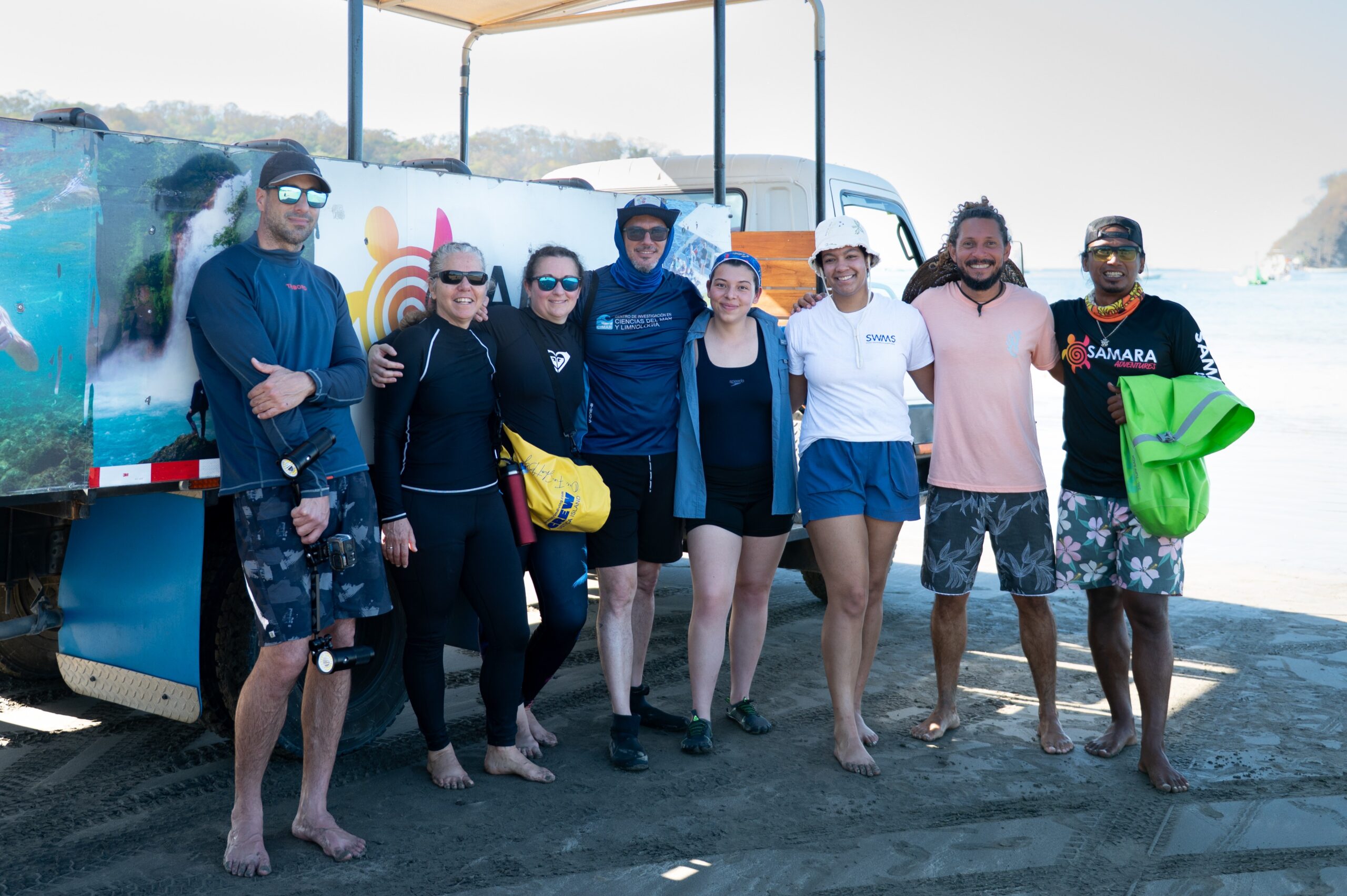
The Charney School is participating in a new international research project along the coast of Costa Rica, aimed at understanding how reef-building corals cope with ocean warming.

Recognized by the Association for the Sciences of Limnology and Oceanography (ASLO) for her sustained scientific excellence and influential contributions to aquatic and marine research.
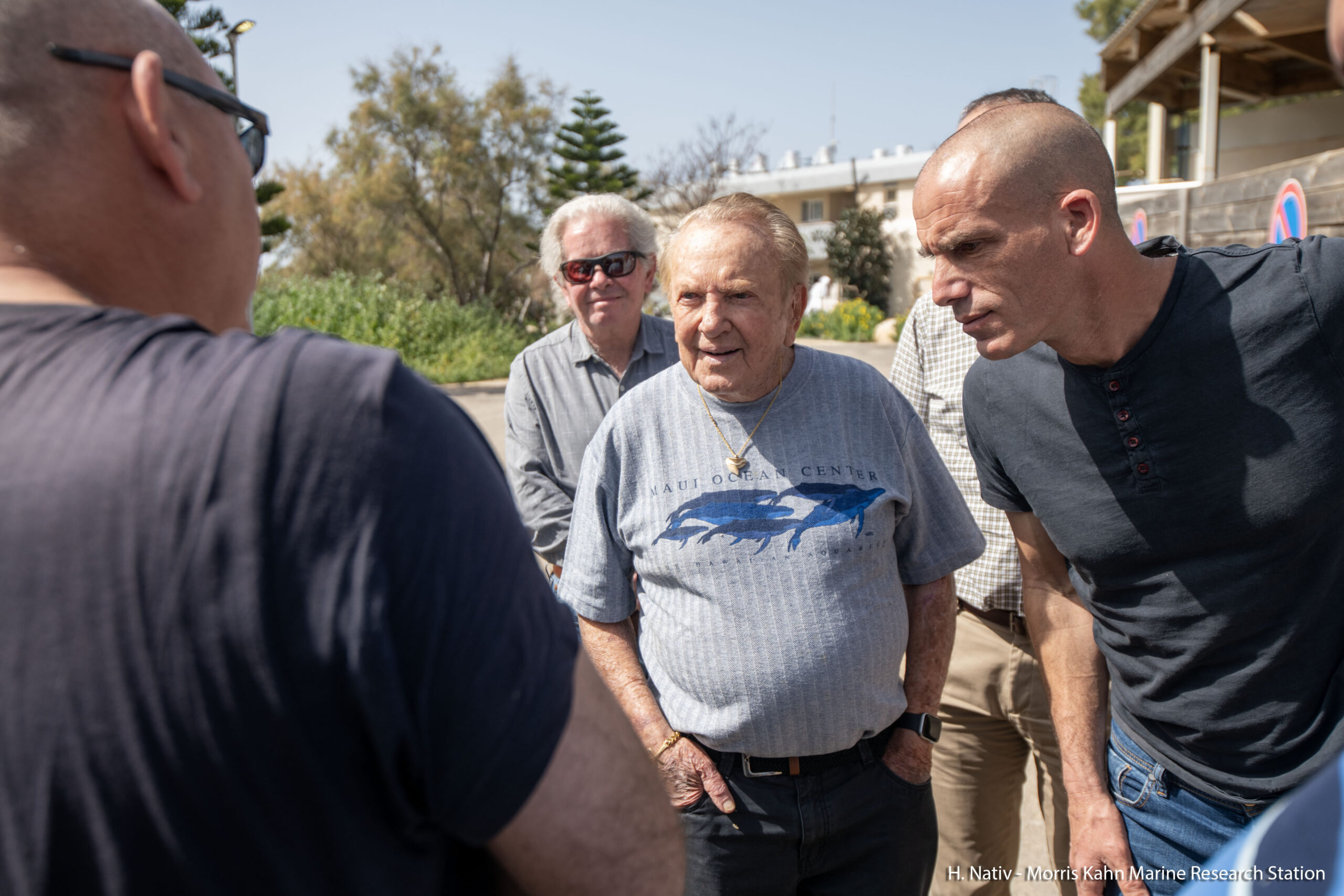
The Charney School commemorates the life and legacy of Morris Kahn, whose foresight and commitment to science were instrumental in shaping the School’s research landscape

The study reveals how Gulf of Eilat reefs shape surrounding marine ecosystems hour by hour
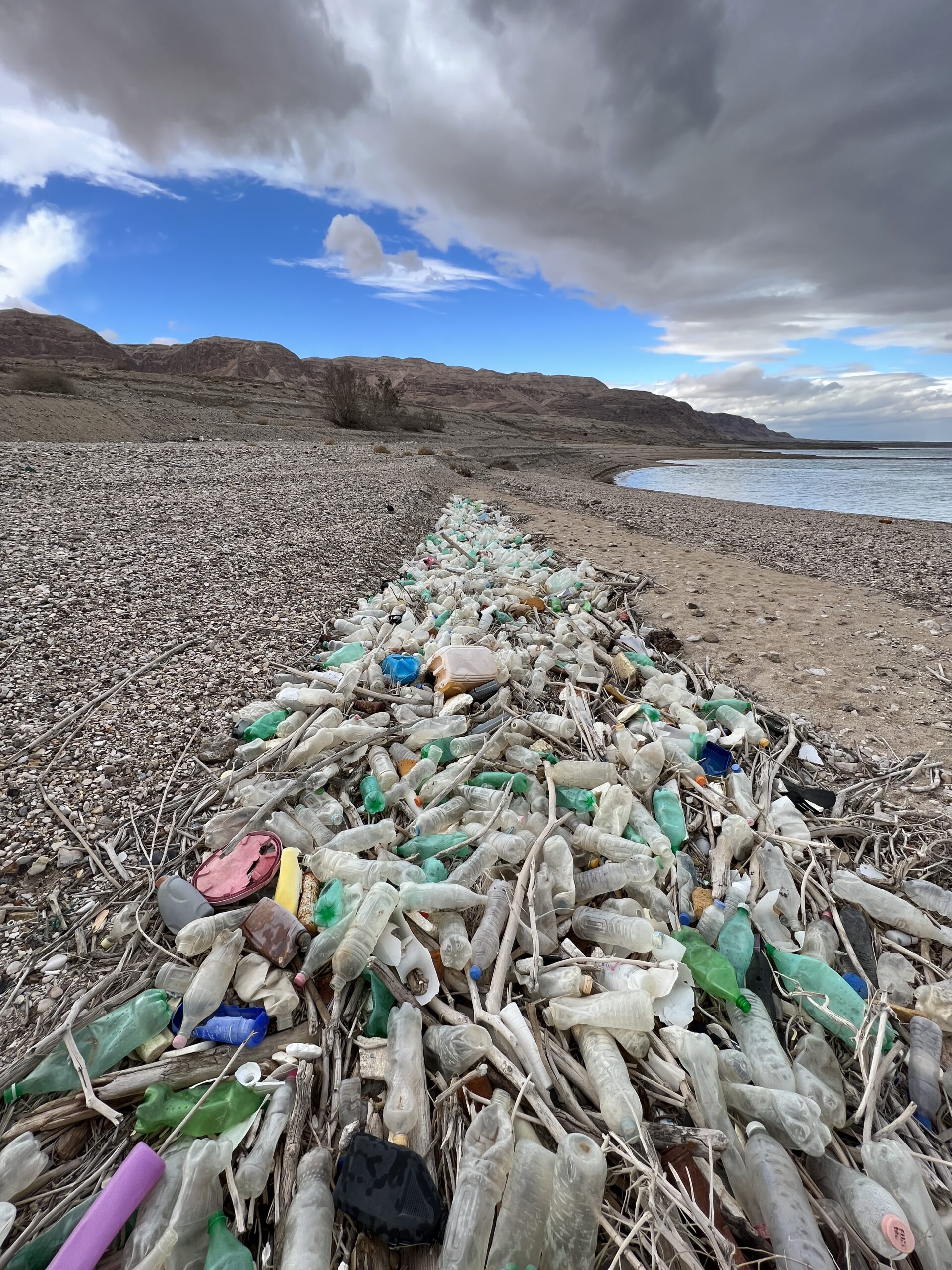
Researchers from the Charney School have uncovered how plastic waste carried by Kidron stream floods has accumulated along the retreating shores of the Dead Sea since 2000 - and how extreme environmental conditions accelerate its breakdown into microplastics.
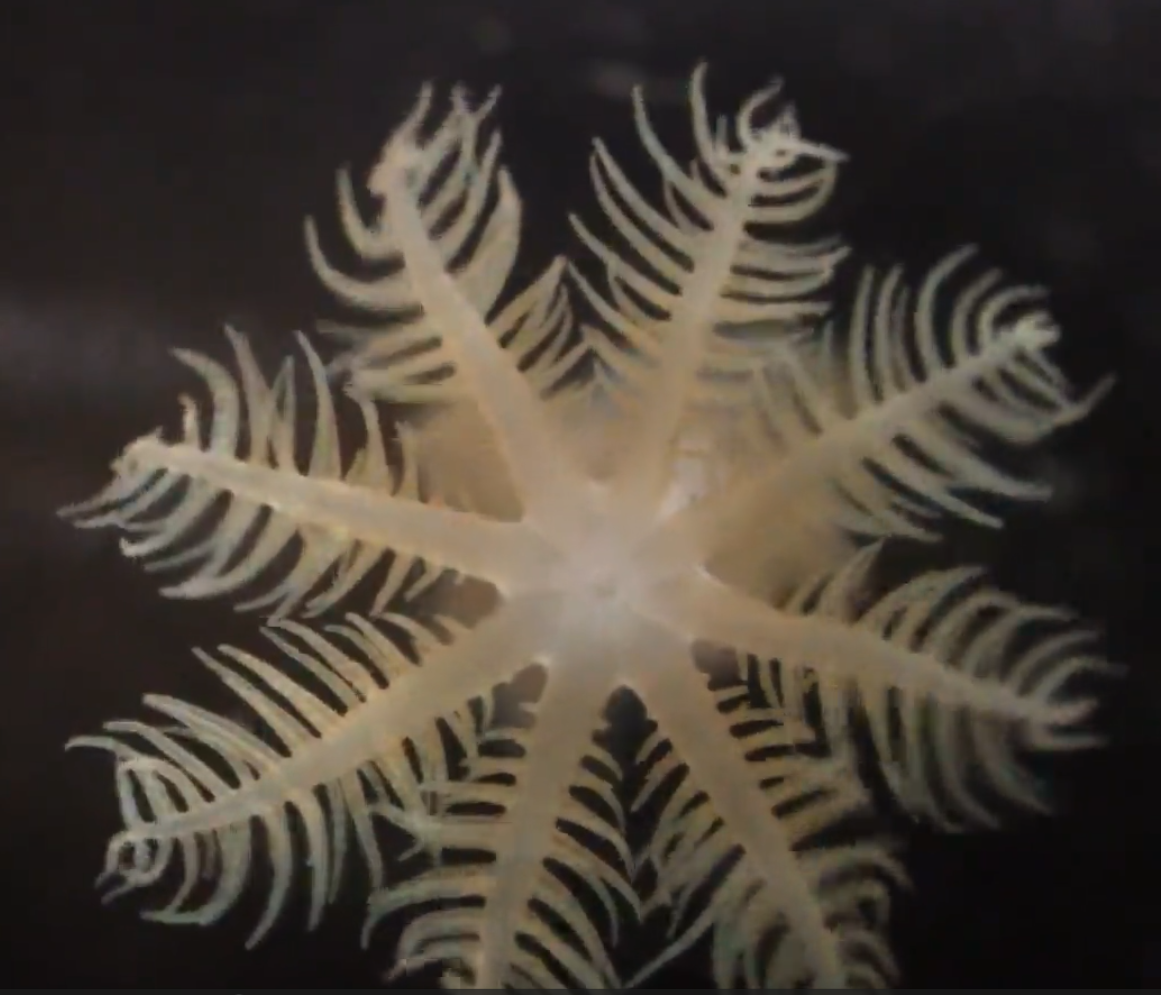
A new study from our Marine Biology Department, published in PNAS, reveals a unique mechanism behind the rhythmic pulsation of the soft coral Xenia umbellata—a species that has existed for over half a billion years.
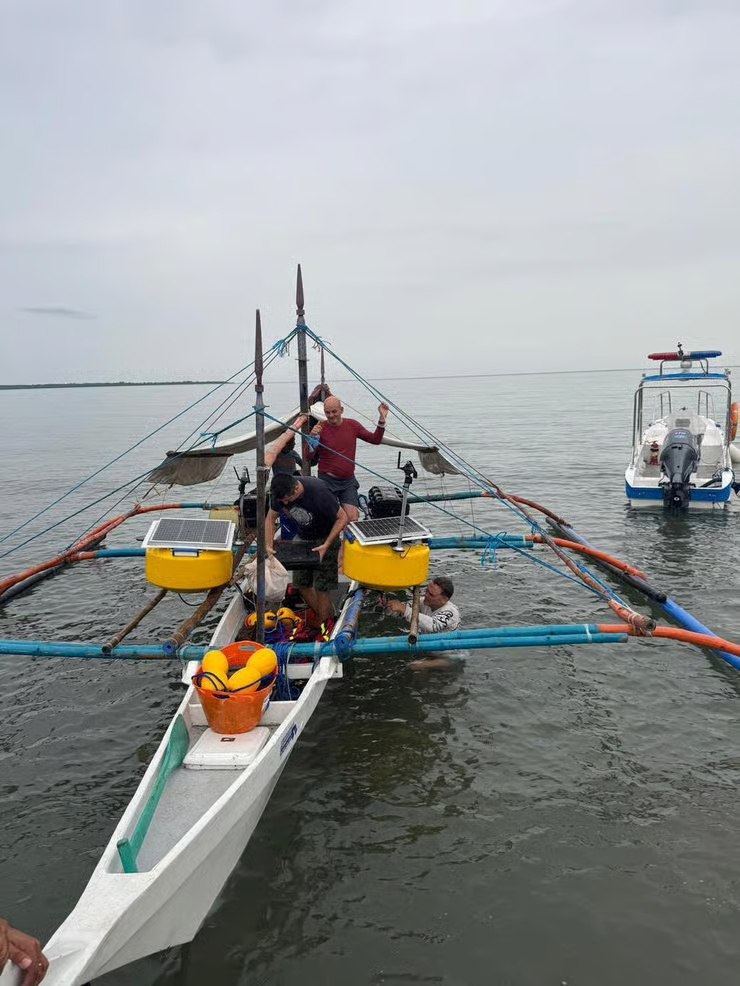
Blast fishing continues to devastate coral reefs and marine life in parts of the world. Prof. Roee Diamant and his team at the Underwater Acoustics and Navigation Laboratory (ANL) have developed two innovative, low-cost systems to detect underwater explosions in real time:
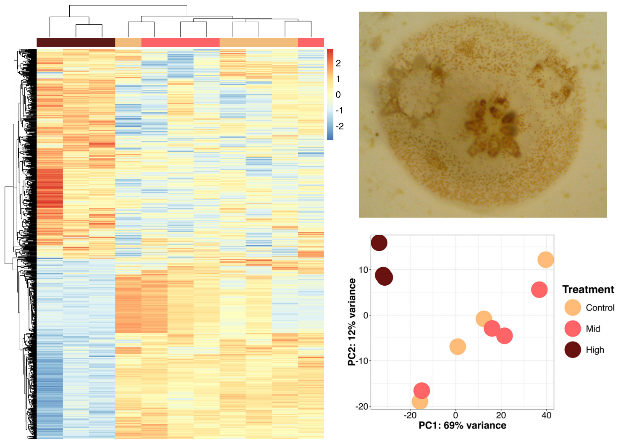
A new study from the Coral Biomineralization and Physiology Lab, led by Ph.D. candidate Federica Scucchia under the supervision of Prof. Tali Mass, in collaboration with the University of Rhode Island and the Hawai‘i Institute of Marine Biology, explored how much stress young corals can withstand.
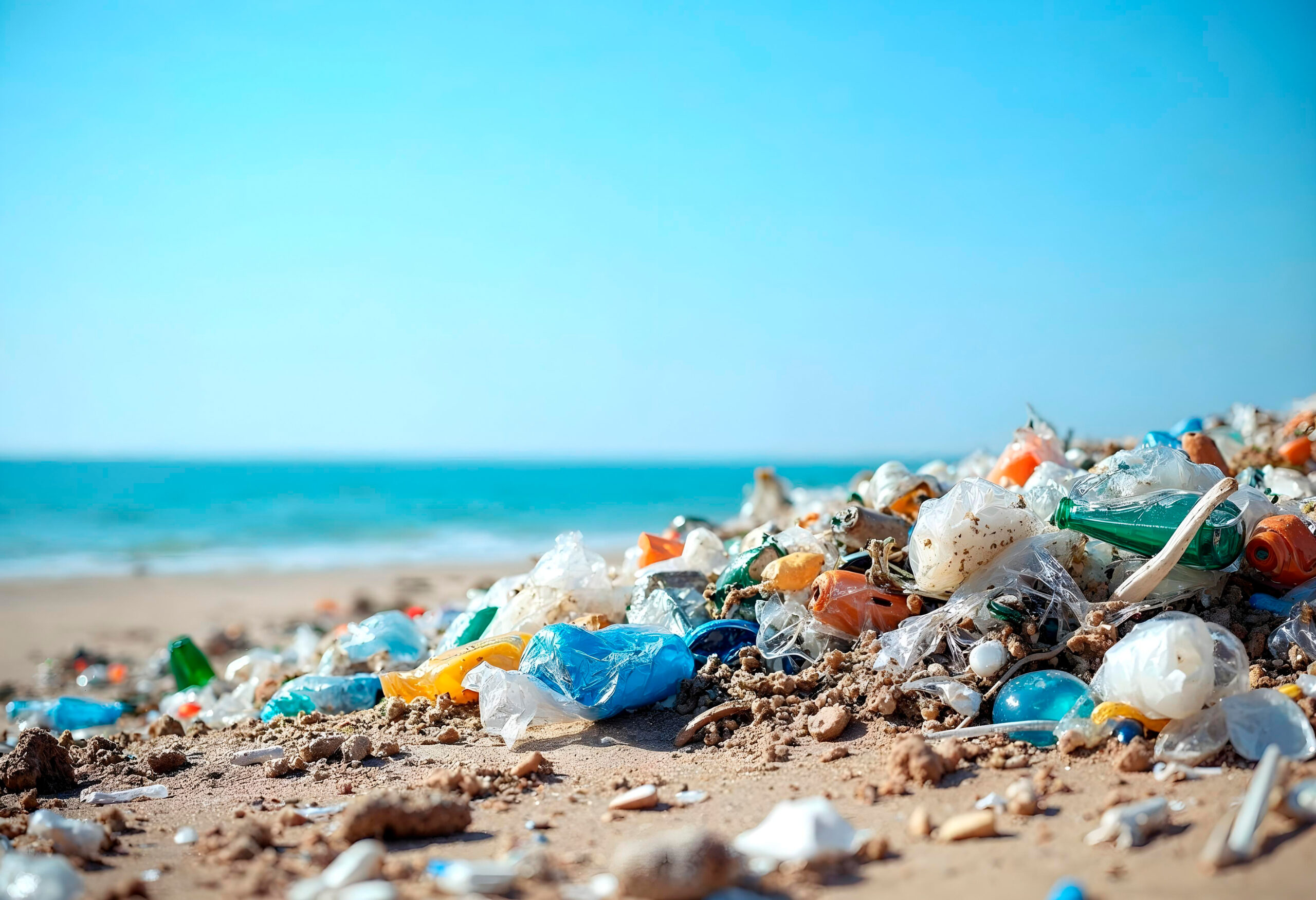
A groundbreaking study conducted in collaboration between the Israel Oceanographic & Limnological Research (IOLR) and the Charney School reveals alarming findings: the Mediterranean seabed off Israel's coast contains one of the highest plastic concentrations in the world – up to 5,354 items per square kilometer.
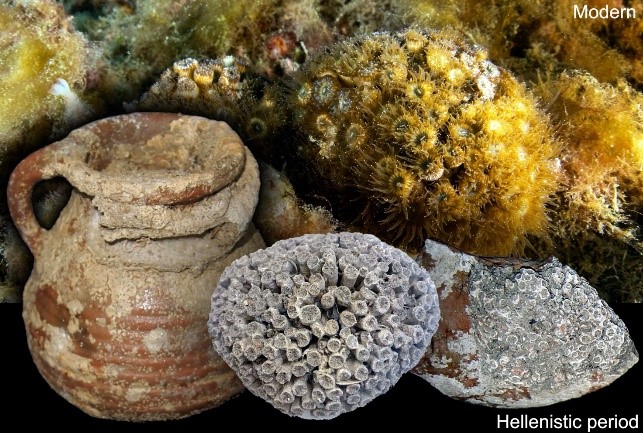
A new study published in Sustainability reconstructs the marine conditions of the historic port of Akko during the Hellenistic period. The research was led by Prof. Tali Mass from the Coral Biomineralization and Physiology Laboratory, in collaboration with Kobi Sharvit from the Marine Archaeology Unit at the Israel Antiquities Authority. By an

