BBC Asia Features Our Shark Research
BBC Asia Features Our Shark Research 03.11.24The premiere episode of BBC Asia’s new documentary series includes a segment on shark research conducted at the Morris Kahn Marine Research Station, part…


BBC Asia Features Our Shark Research 03.11.24The premiere episode of BBC Asia’s new documentary series includes a segment on shark research conducted at the Morris Kahn Marine Research Station, part…
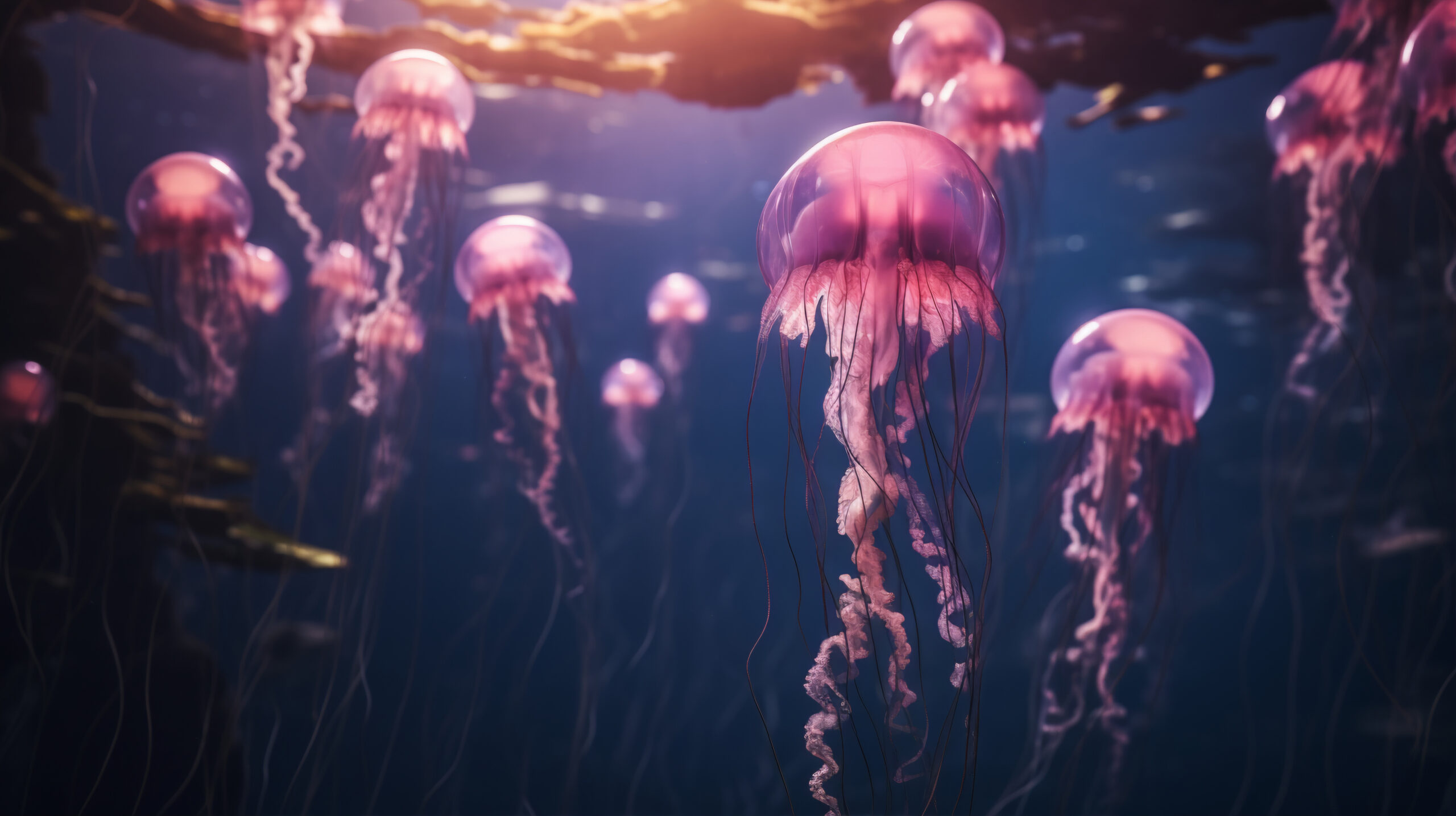
Our researchers have found that, rather than drifting aimlessly, jellyfish in the Mediterranean are actually trying to move in a specific direction, often away from beaches — they're just not very good at it.

In a new study conducted by researchers from our Morris Kahn Marine Research Station , in collaboration with Greenpeace scientists documented the longest distance traveled by a sperm whale in the Mediterranean Sea.
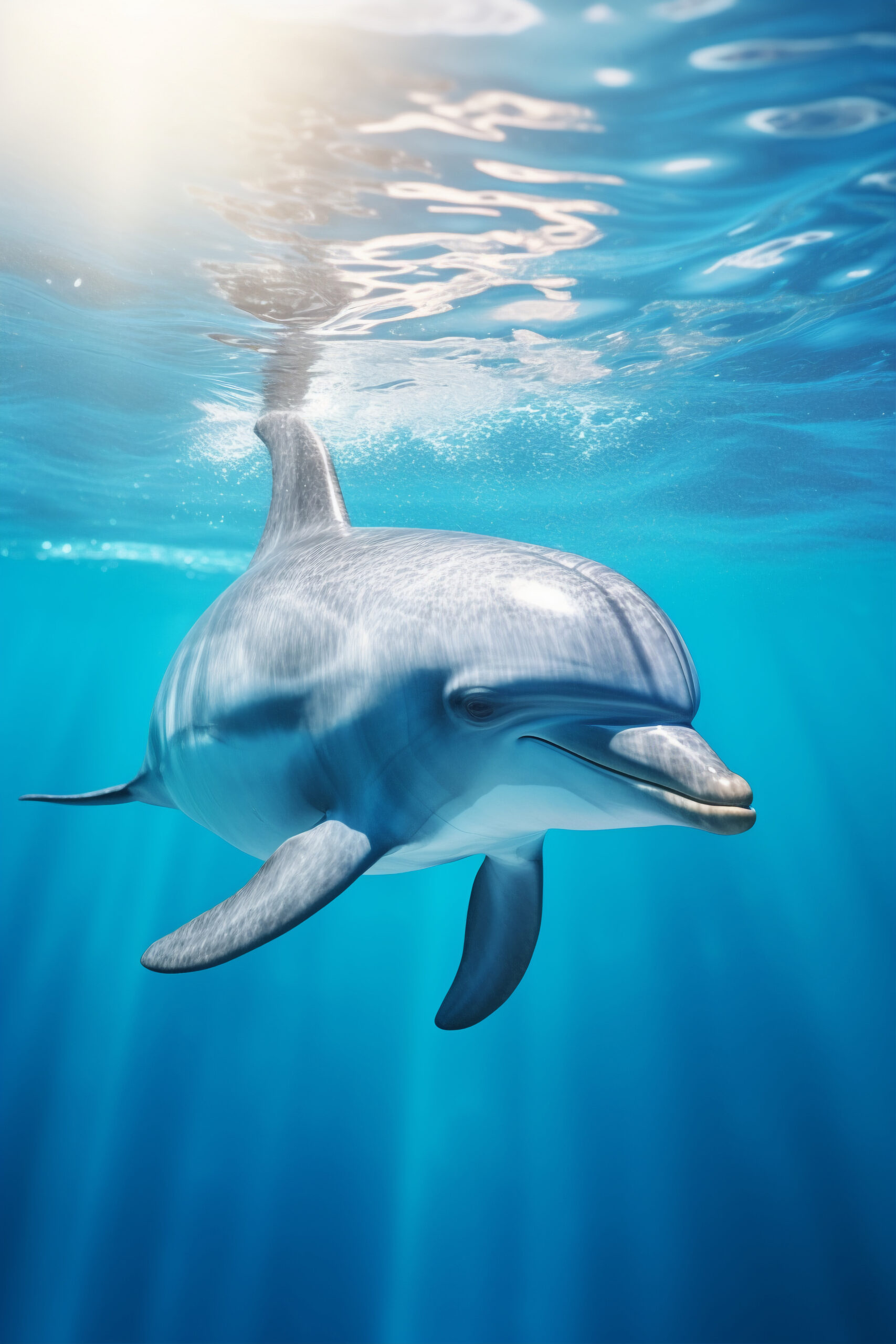
The featured research project led by Prof. Roee Diamant (Marine Technologies Dep.) and Dr. Aviad Scheinin (Marine Biology Dep.), is using AI technology to uncover the significant impact of ship noise on dolphin communication.
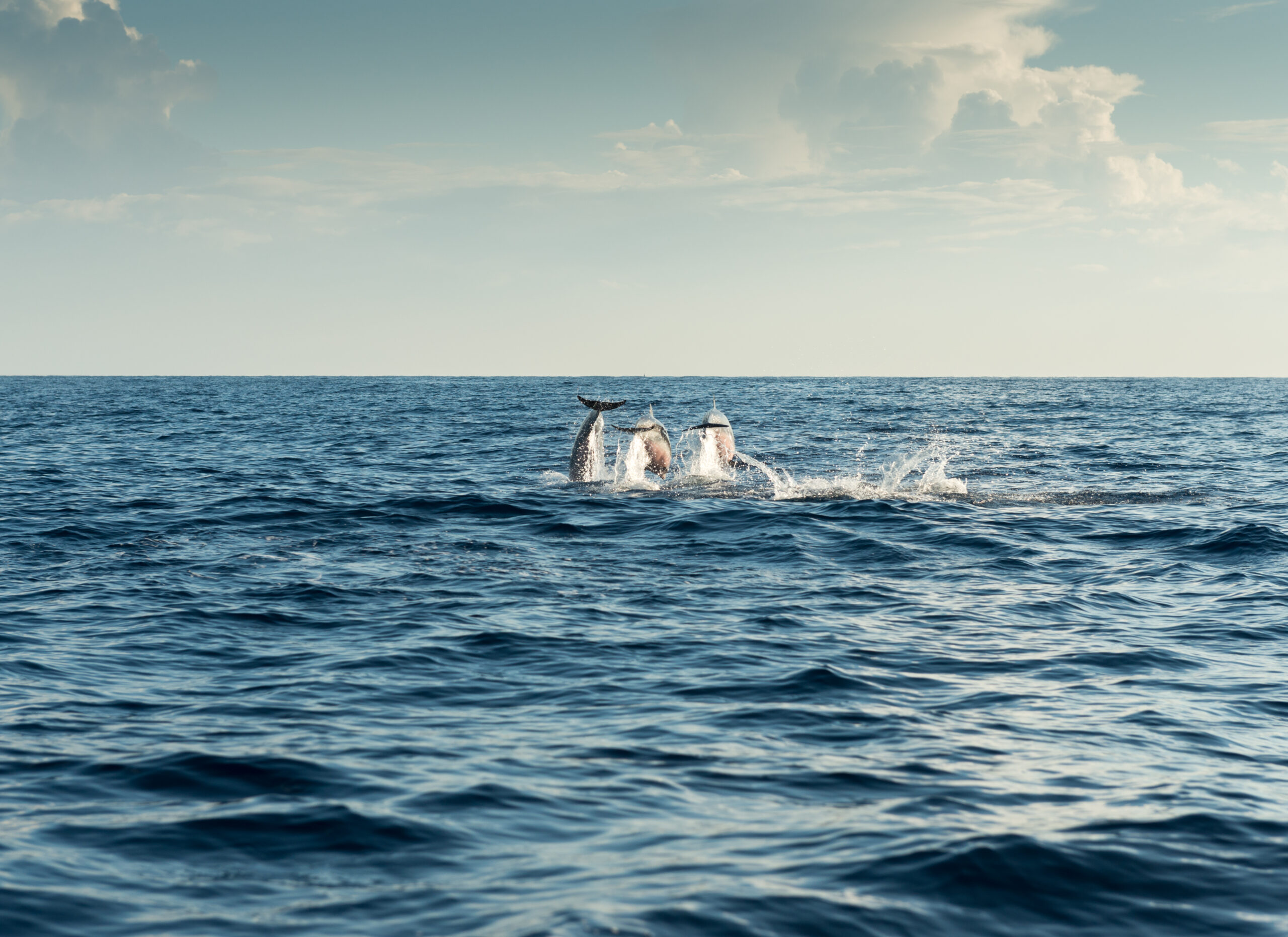
A new study by Prof. Roee Diamant and Dr. Aviad Sheinin, found for the first time evidence, using artificial intelligence technology, that ship noise affects dolphins. The researchers, who monitored dolphins in the Gulf of Eilat, found that the dolphins communicate differently and change their vocal behavior when they encounter ship noise, and therefore they are definitely affected by ship noise

New research carried out by our Morris Kahn Marine Research Station has discovered that coral species common in the warmer Indo-Pacific region and Red Sea are for the first time appearing off Israel’s northern Mediterranean coast — indicating evidence of global warming.
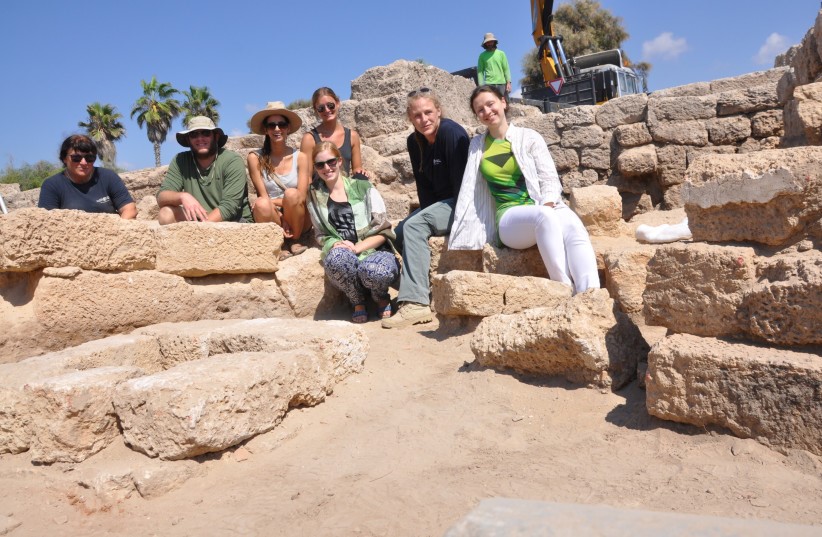
In a study led by Prof. Beverly Goodman-Tchernov (Department of Marine Geosciences) and MSc graduate Charles Everhardt, tsunami deposits were discovered for the first time on land associated with the destruction of Caesarea in 749 CE.
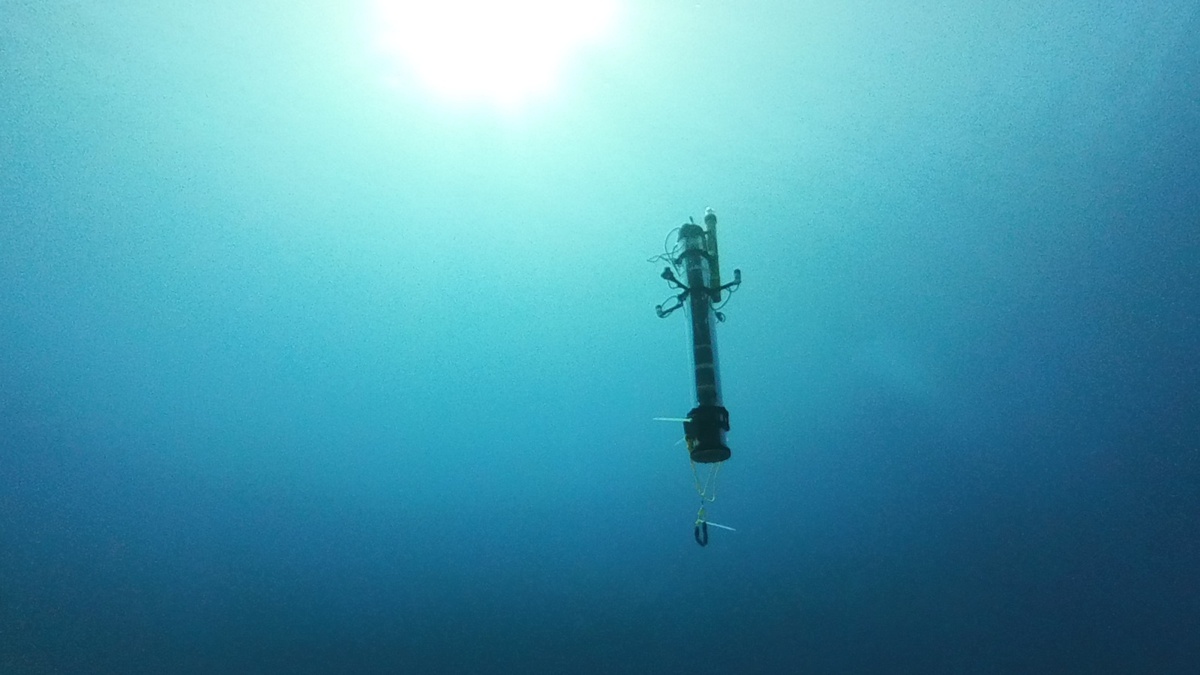
Prof. Roee Diamant (Hatter Department of Marine Technologies) in partnership with the University of Zagreb and Rujer Boskevic Institute are developing a “swarm” of low-cost underwater autonomous robots that coordinate their routes to better acoustically detect and estimate fish populations. The grant from the Schmidt Family Foundation will support the development of a swarm of low-cost, underwater autonomous robots that coordinate for better acoustic detection and estimation of fish populations.
Prof. Roee Diamant (Hatter Department of Marine Technologies) in partnership with the University of Zagreb and Rujer Boskevic Institute are developing a “swarm” of low-cost underwater autonomous robots that coordinate their routes to better acoustically detect and estimate fish populations. The grant from the Schmidt Family Foundation will support the development of a swarm of low-cost, underwater autonomous robots that coordinate for better acoustic detection and estimation of fish populations.
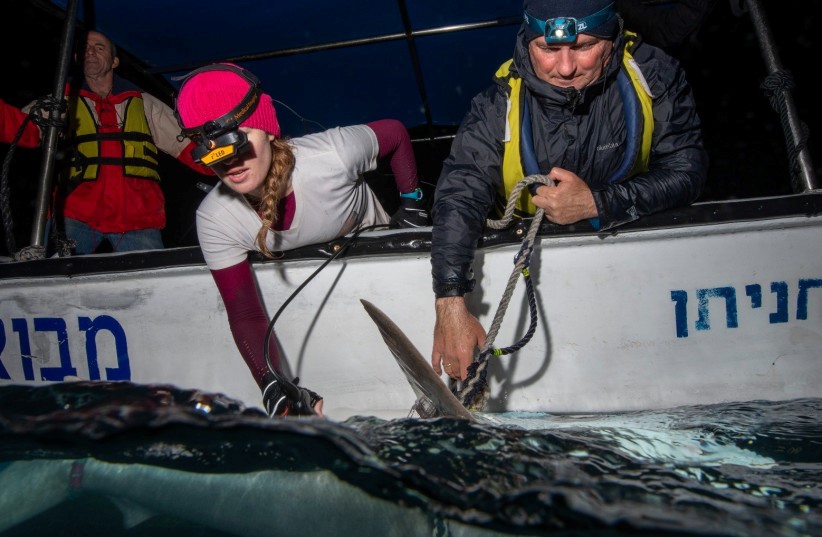
A team of researchers led by National Geographic Explorer Dr. Aviad Scheinin (Morris Kahn Marine Research Station) has been awarded a $100,000 National Geographic Wayfinder Grant to track the migration of sharks along the eastern Mediterranean Sea and learn about their adaptation to changing climatic conditions.

