

Scientific Breakthrough: Uncovering the Survival Strategy of a Unique Mediterranean Coral

A groundbreaking study led by Dr. Shani Levy, faculty member at the Department of Blue Biotechnologies and Sustainable Mariculture, was recently published in Nature, one of the world’s most prestigious scientific journals.
The research was conducted during Dr. Levy’s postdoctoral fellowship at the Centre for Genomic Regulation (CRG) in Barcelona, in collaboration with Prof. Tali Mass’s Coral Biomineralization and Physiology Lab from our Department of Marine Biology.
New Study: Israel’s Waters Have Become One of the World’s Largest Marine Plastic Reservoirs
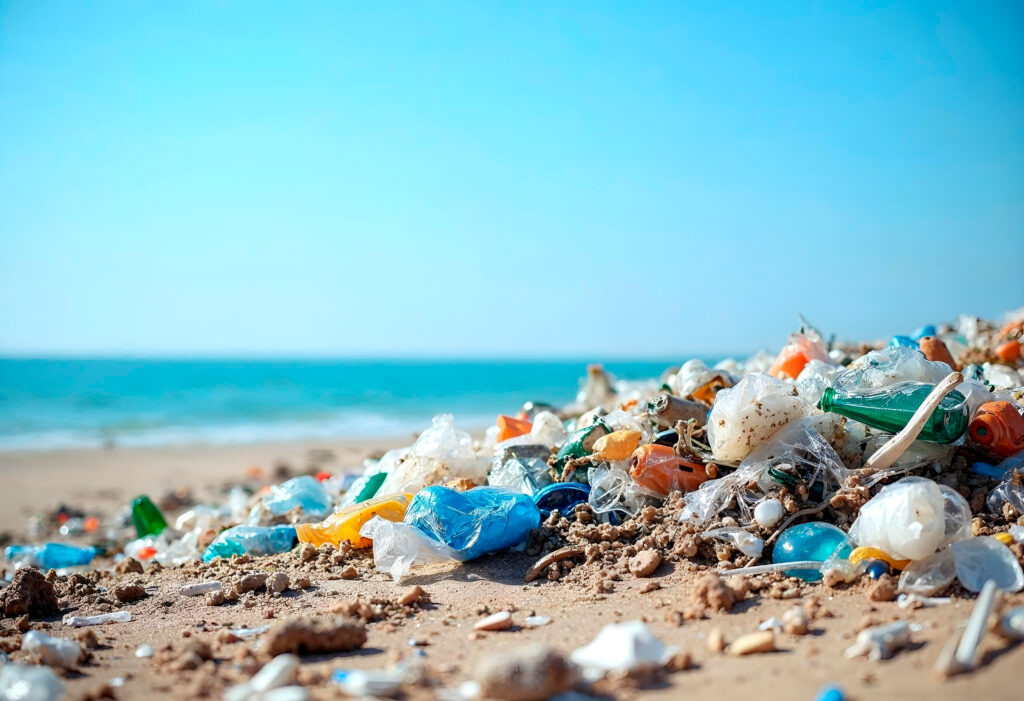
A groundbreaking study conducted in collaboration between the Israel Oceanographic & Limnological Research (IOLR) and the Charney School reveals alarming findings: the Mediterranean seabed off Israel’s coast contains one of the highest plastic concentrations in the world – up to 5,354 items per square kilometer.
Stopping Blast Fishing with Technology from the Charney School
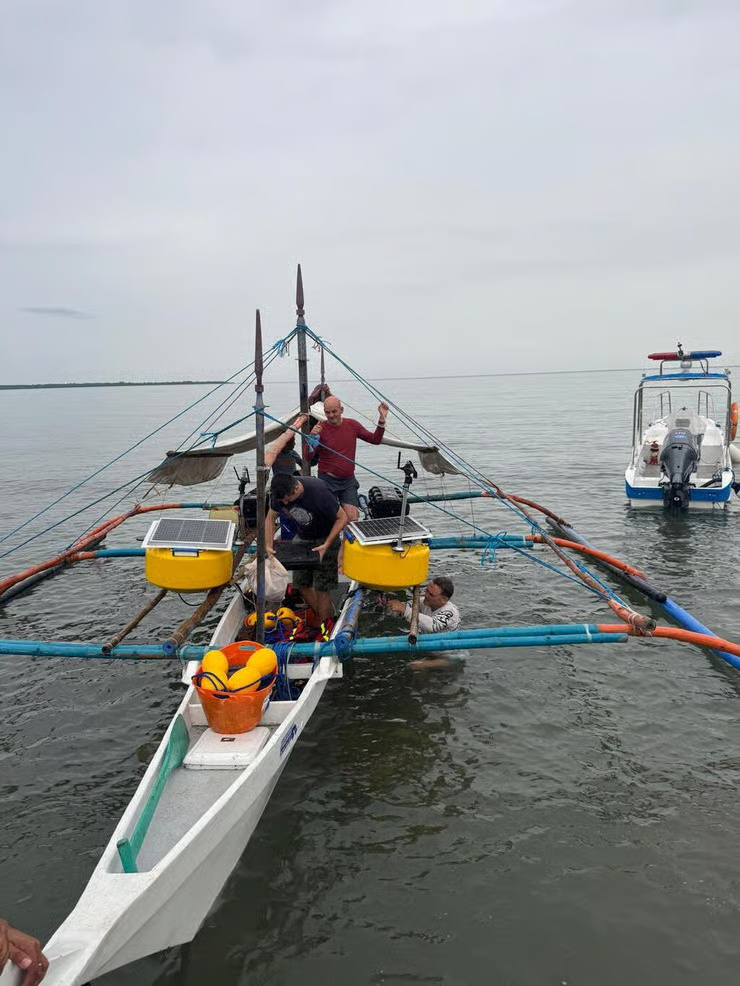
Blast fishing continues to devastate coral reefs and marine life in parts of the world. Prof. Roee Diamant and his team at the Underwater Acoustics and Navigation Laboratory (ANL) have developed two innovative, low-cost systems to detect underwater explosions in real time:
Decentralized Rhythmic Motion in Soft Corals
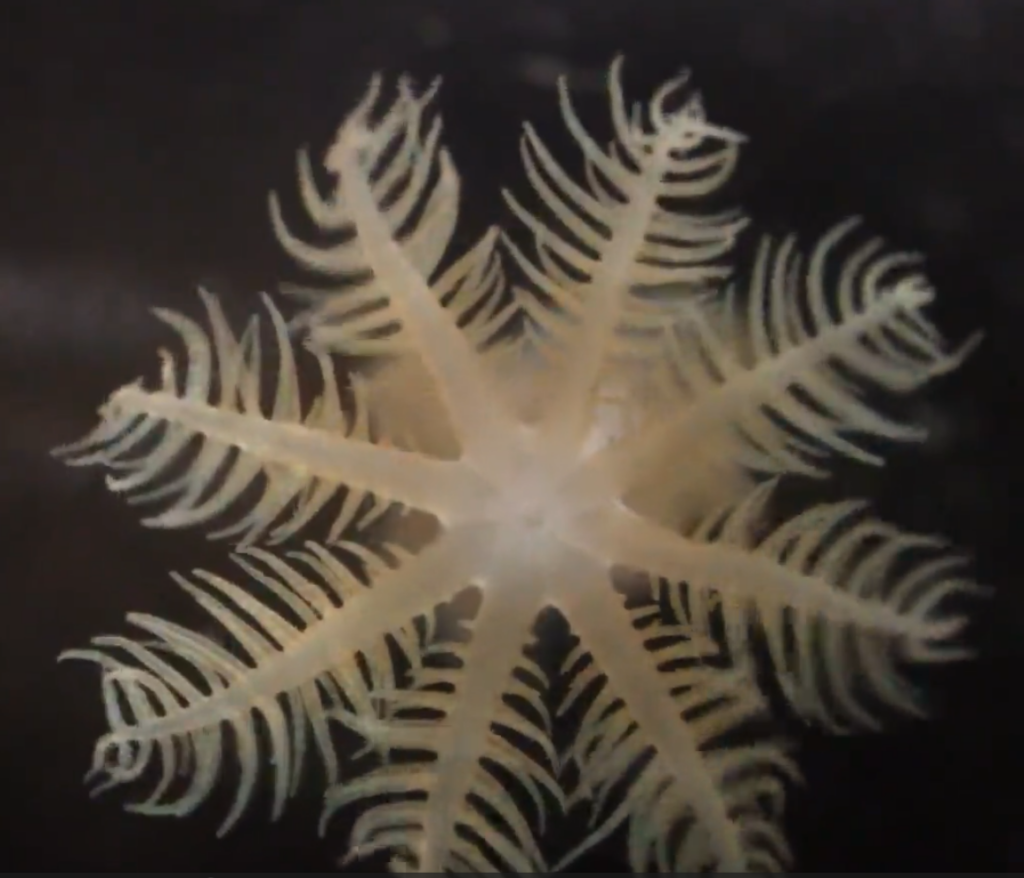
A new study from our Marine Biology Department, published in PNAS, reveals a unique mechanism behind the rhythmic pulsation of the soft coral Xenia umbellata—a species that has existed for over half a billion years.
Study: Plastic waste from Jerusalem’s runoff has accumulated in the Dead Sea since 2000
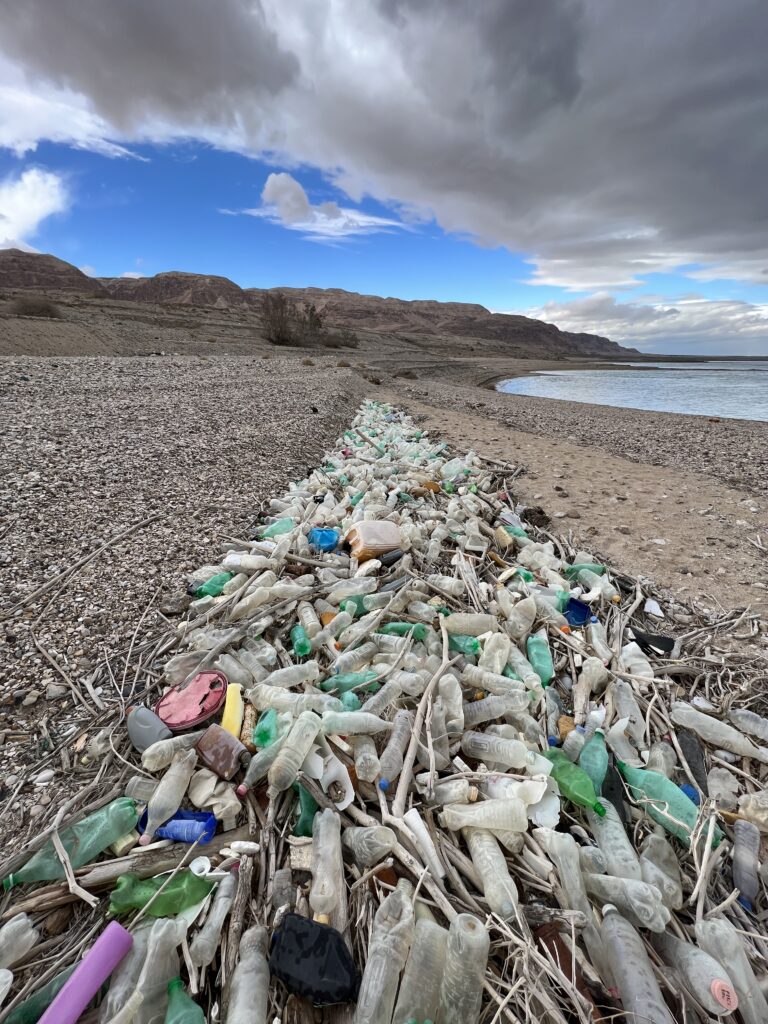
Researchers from the Charney School have uncovered how plastic waste carried by Kidron stream floods has accumulated along the retreating shores of the Dead Sea since 2000 – and how extreme environmental conditions accelerate its breakdown into microplastics.
New Research Reveals: How Ocean Acidification Affects Coral Skeletons

A new study conducted at the Coral Biomineralization and Physiology Laboratory led by Prof. Tali Mass from the Department of Marine Biology, in collaboration with an international team, examined how ocean acidification affects the earliest stage of coral skeleton formation.
Young Corals Under Stress: Survival Limits in Acidifying Oceans
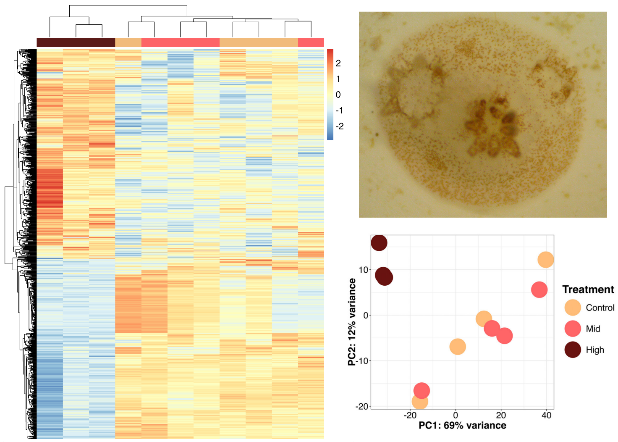
A new study from the Coral Biomineralization and Physiology Lab, led by Ph.D. candidate Federica Scucchia under the supervision of Prof. Tali Mass, in collaboration with the University of Rhode Island and the Hawai‘i Institute of Marine Biology, explored how much stress young corals can withstand.
Our New Research Reveals: Jellyfish Aren’t Drifting Aimlessly – They’re Actively Trying to Escape the Shores!
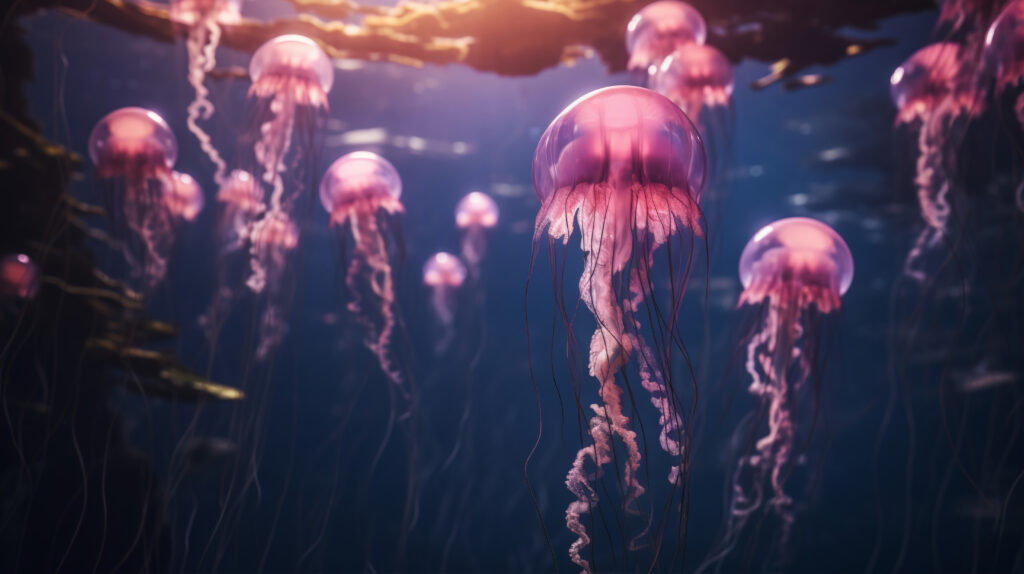
Our researchers have found that, rather than drifting aimlessly, jellyfish in the Mediterranean are actually trying to move in a specific direction, often away from beaches — they’re just not very good at it.
New study documented the longest distance traveled by a sperm whale in the Mediterranean Sea
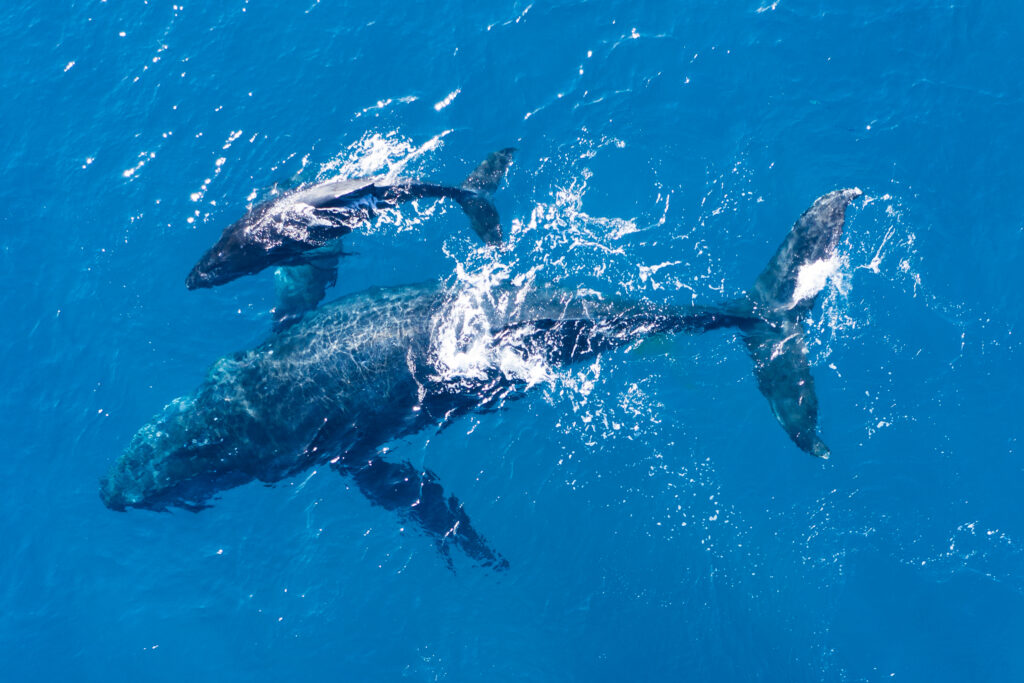
In a new study conducted by researchers from our Morris Kahn Marine Research Station , in collaboration with Greenpeace scientists documented the longest distance traveled by a sperm whale in the Mediterranean Sea.
The Charney School has been featured in ISRAEL21c’s most incredible Israeli scientific discoveries so far in 2024, shaping our understanding of the world and its complexities.
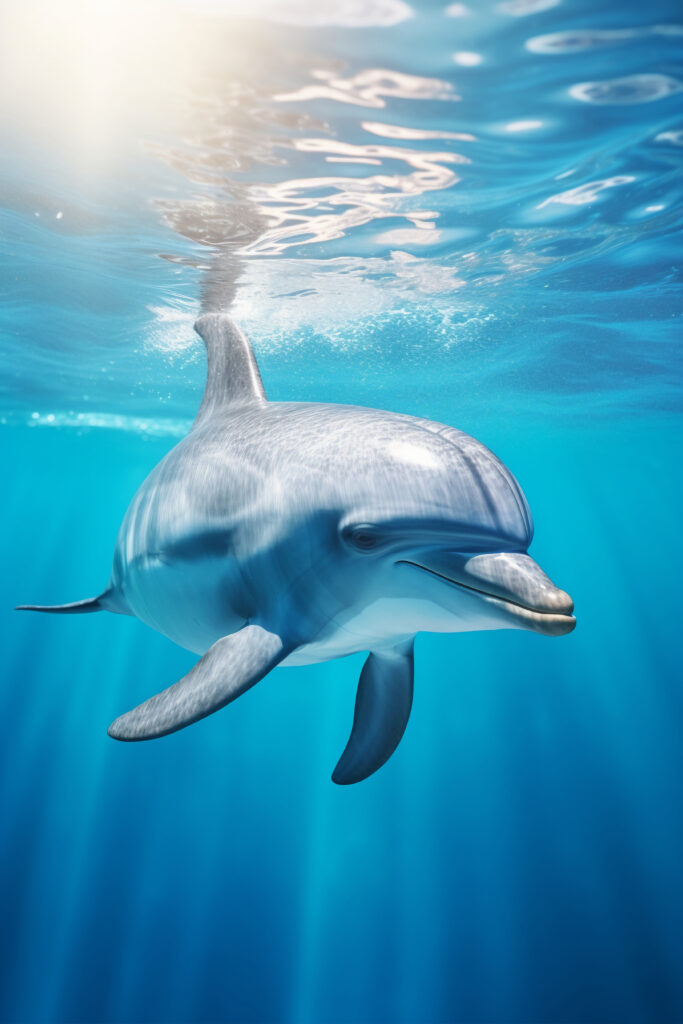
The featured research project led by Prof. Roee Diamant (Marine Technologies Dep.) and Dr. Aviad Scheinin (Marine Biology Dep.), is using AI technology to uncover the significant impact of ship noise on dolphin communication.

