

From Haifa to the southern pole: School researchers raised the Israeli flag in Antarctica
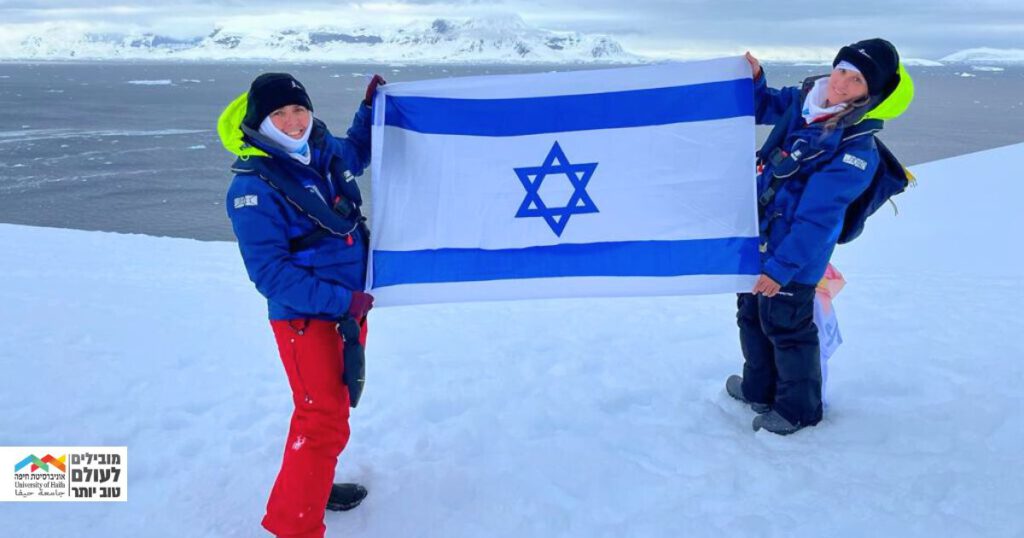
About three weeks ago, with mixed emotions and after a year of preparation, Dr. Tal Luzzatto Kanaan and Prof. Tali Mass from the Department of Marine Biology, embarked on an expedition to Antarctica as part of the journey of the “Homeward Bound” program. This international initiative brings together women with backgrounds in STEMM (Science, Technology, Engineering, Mathematics, and Medicine) to create a global network of women with scientific expertise who will lead and solve global challenges for the benefit of humanity.
Together with an exclusive group of dozens of researchers from around the world, it was clear to both that they would leverage the expedition to shed light on the situation in Israel and explain Israel’s perspective in the war against Hamas. Articles about their journey were published in the Jerusalem Post and on the website [mention the specific website, if available].
A surprising swarm of jellyfish has reached the Haifa shores in winter
About three weeks ago, with mixed emotions and after a year of preparation, Dr. Tal Luzzatto Kanaan and Prof. Tali Mass from the Department of Marine Biology, embarked on an expedition to Antarctica as part of the journey of the “Homeward Bound” program. This international initiative brings together women with backgrounds in STEMM (Science, Technology, Engineering, Mathematics, and Medicine) to create a global network of women with scientific expertise who will lead and solve global challenges for the benefit of humanity.
Together with an exclusive group of dozens of researchers from around the world, it was clear to both that they would leverage the expedition to shed light on the situation in Israel and explain Israel’s perspective in the war against Hamas. Articles about their journey were published in the Jerusalem Post and on the website [mention the specific website, if available].
Our Researchers Identify Nursery for Critically Endangered Guitarfish off Israel’s Coast

A groundbreaking study conducted at our Morris Kahn Marine Research Station has revealed a remarkable discovery: the coastal strip between Ma’agan Michael and Dor serves as a critical nursery for juvenile Atlantic guitarfish, a critically endangered species of cartilaginous fish. This study, published in Frontiers in Marine Science, provides solid evidence that the area offers a safe environment for young fish to grow and develop.
Underwater robot: A game changer for sustainable fisheries

Prof. Roee Diamant and his team at the Underwater Acoustics and Navigation Laboratory have developed an innovative underwater robot to address the global fishing crisis. This advanced system autonomously and accurately monitors fish schools using cutting-edge acoustic technology.
Scientific Breakthrough: Uncovering the Survival Strategy of a Unique Mediterranean Coral

A groundbreaking study led by Dr. Shani Levy, faculty member at the Department of Blue Biotechnologies and Sustainable Mariculture, was recently published in Nature, one of the world’s most prestigious scientific journals.
The research was conducted during Dr. Levy’s postdoctoral fellowship at the Centre for Genomic Regulation (CRG) in Barcelona, in collaboration with Prof. Tali Mass’s Coral Biomineralization and Physiology Lab from our Department of Marine Biology.
New Study: Israel’s Waters Have Become One of the World’s Largest Marine Plastic Reservoirs
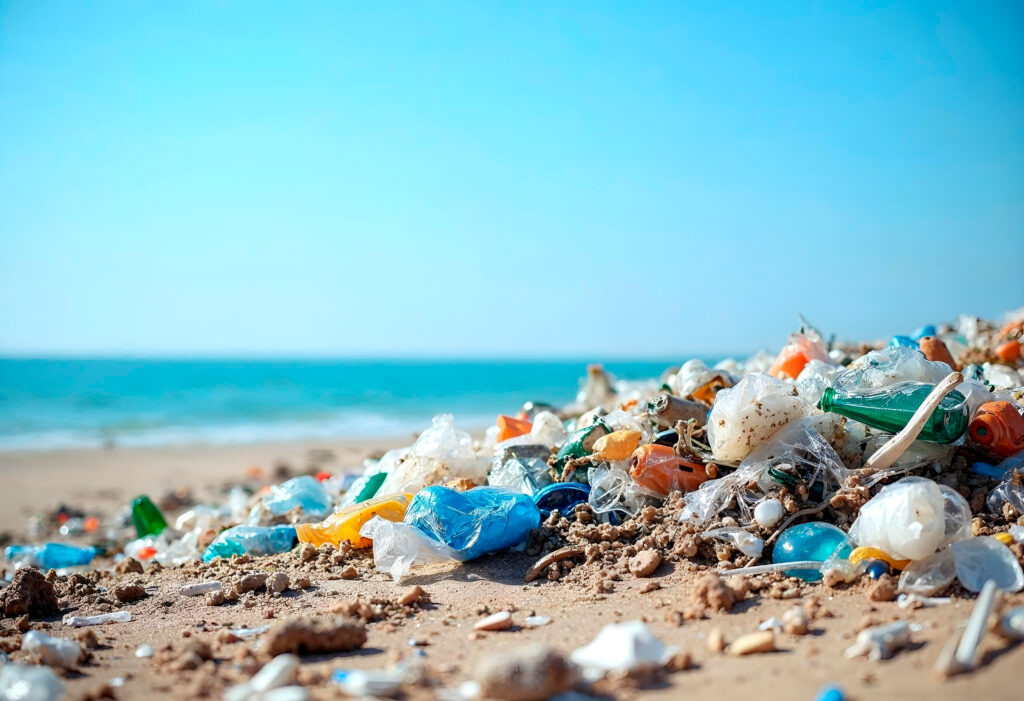
A groundbreaking study conducted in collaboration between the Israel Oceanographic & Limnological Research (IOLR) and the Charney School reveals alarming findings: the Mediterranean seabed off Israel’s coast contains one of the highest plastic concentrations in the world – up to 5,354 items per square kilometer.
Stopping Blast Fishing with Technology from the Charney School
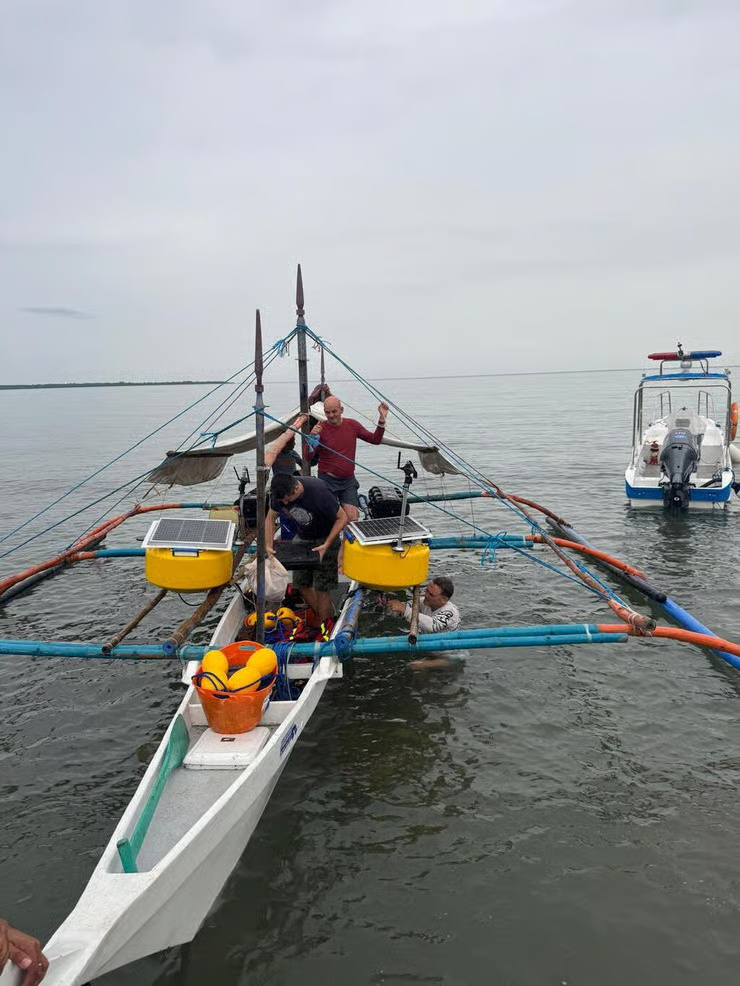
Blast fishing continues to devastate coral reefs and marine life in parts of the world. Prof. Roee Diamant and his team at the Underwater Acoustics and Navigation Laboratory (ANL) have developed two innovative, low-cost systems to detect underwater explosions in real time:
Decentralized Rhythmic Motion in Soft Corals
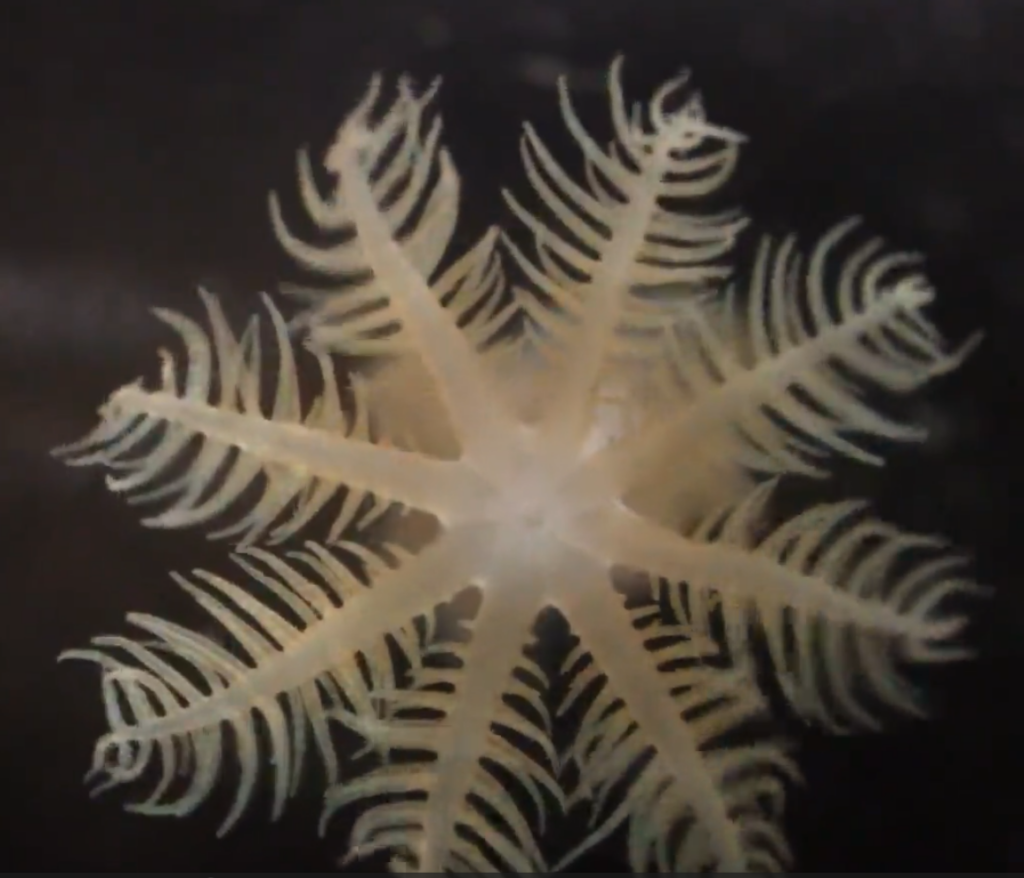
A new study from our Marine Biology Department, published in PNAS, reveals a unique mechanism behind the rhythmic pulsation of the soft coral Xenia umbellata—a species that has existed for over half a billion years.
Study: Plastic waste from Jerusalem’s runoff has accumulated in the Dead Sea since 2000
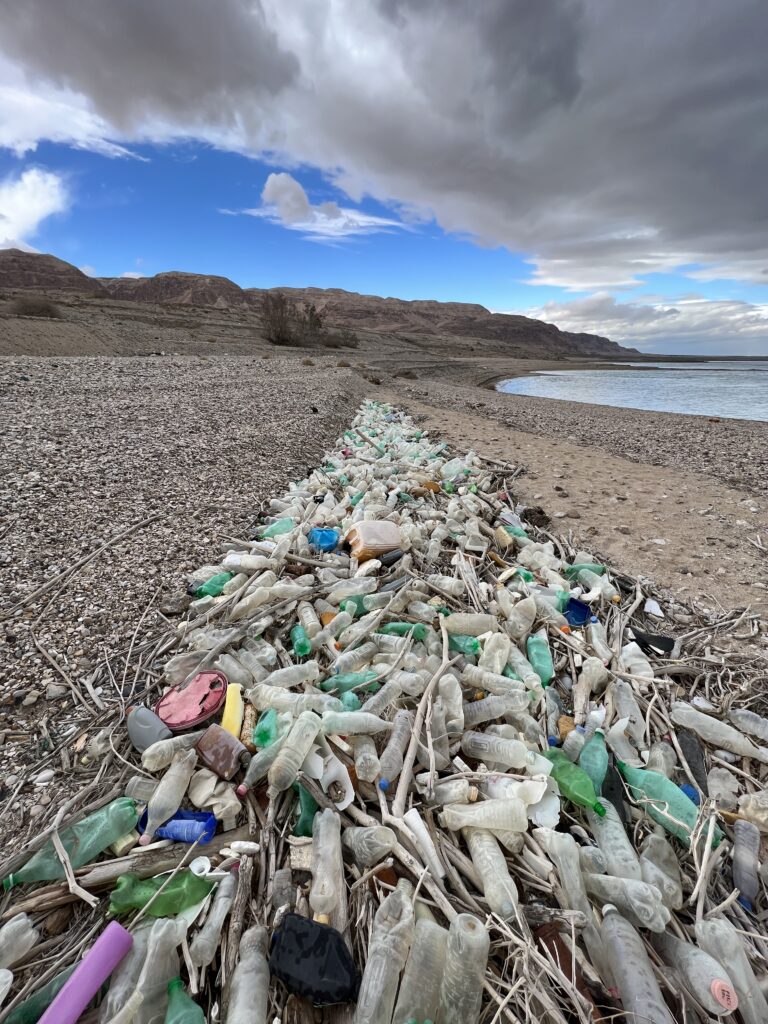
Researchers from the Charney School have uncovered how plastic waste carried by Kidron stream floods has accumulated along the retreating shores of the Dead Sea since 2000 – and how extreme environmental conditions accelerate its breakdown into microplastics.
New Research Reveals: How Ocean Acidification Affects Coral Skeletons

A new study conducted at the Coral Biomineralization and Physiology Laboratory led by Prof. Tali Mass from the Department of Marine Biology, in collaboration with an international team, examined how ocean acidification affects the earliest stage of coral skeleton formation.

