

Showcasing Cutting-Edge Marine Technologies: Visit of IMOD DDR&D and US Navy to SubSEA and VISEAON Labs
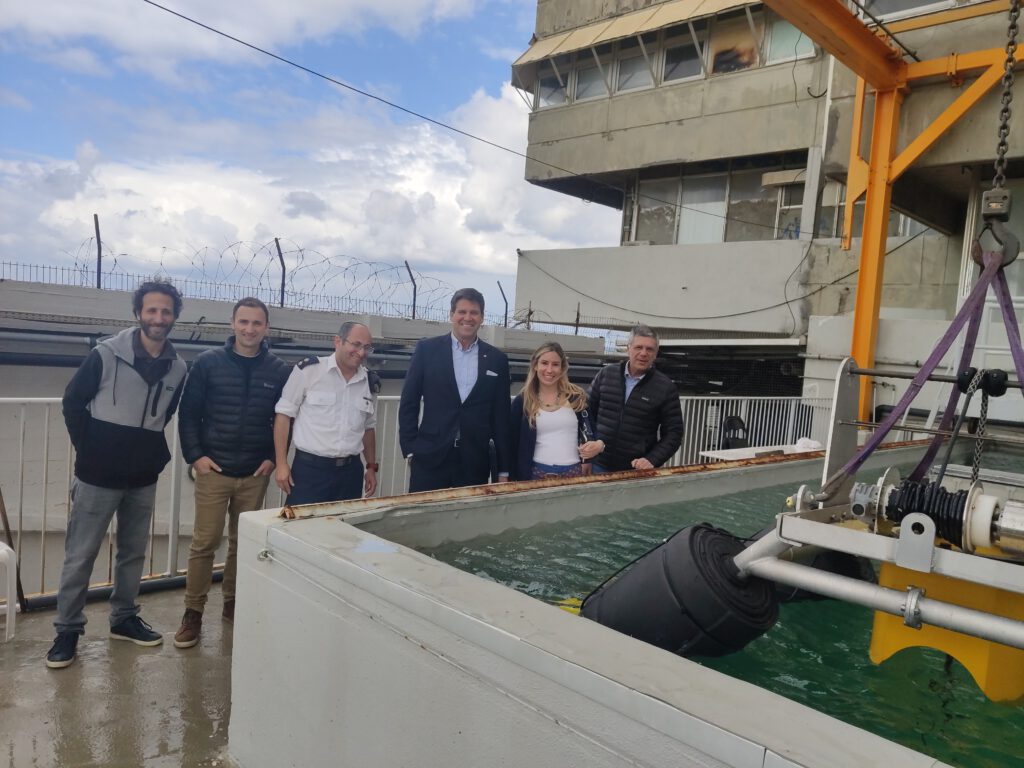
It was our pleasure to host representatives of the IMOD DDR&D (Mafaat) and of the US Navy (NIWC Pacific) to demonstrate new technologies developed in the SubSEA lab, headed by Prof. Morel Groper and the VISEAON Marine Imaging lab, headed by Prof. Tali Treibitz.
Simplifying Science for All: Dr. Tal Luzzatto Knaan’s Latest Column in Analytical Science Advances
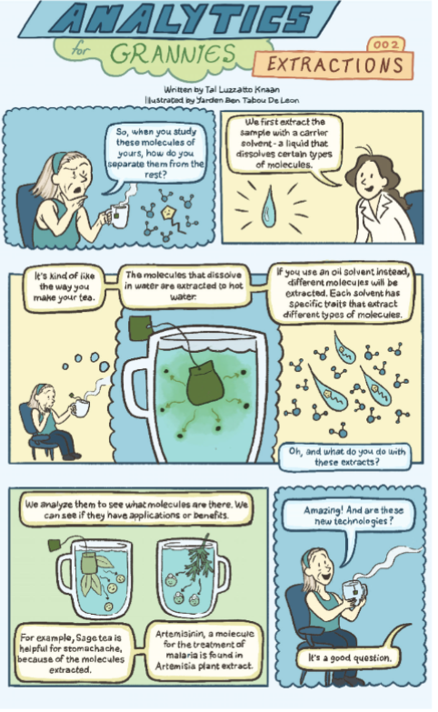
The second column of “Analytics for Grannies” in Analytical Science Advances, by Dr. Tal Luzzatto Knaan
Last week we held our 3-min-thesis competition
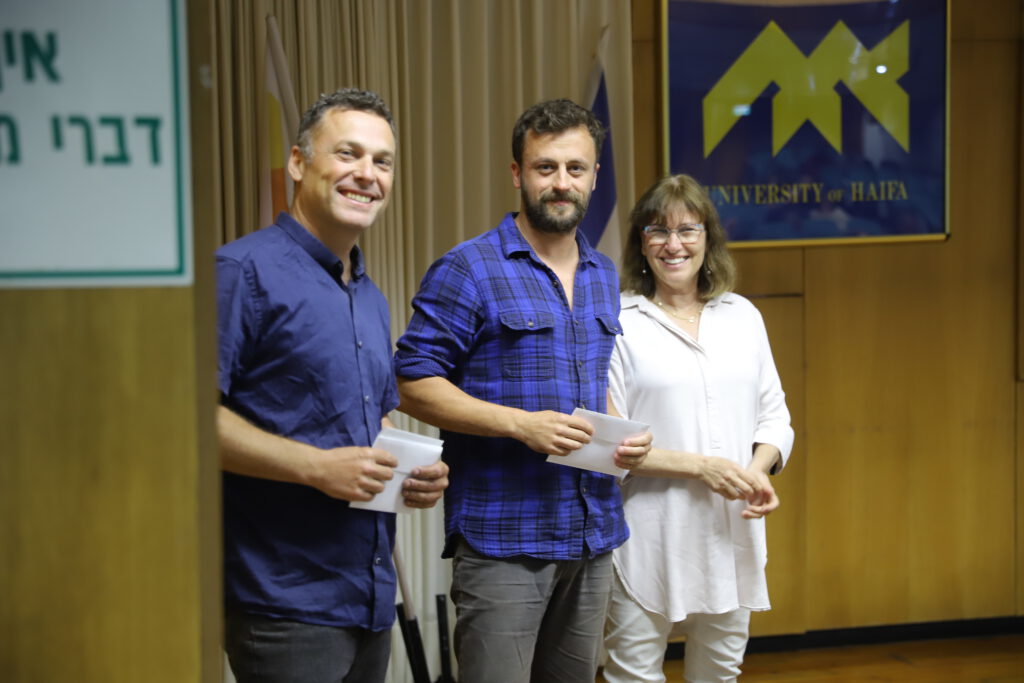
Students from all departments competed against their peers in the department level, and the winners participated in an all-school event.
Revealing the Wonders of Nature’s Camouflage: Dr. Derya Akkaynak’s Breakthrough Study on Crustacean Larvae Eyeshine in Science Magazine
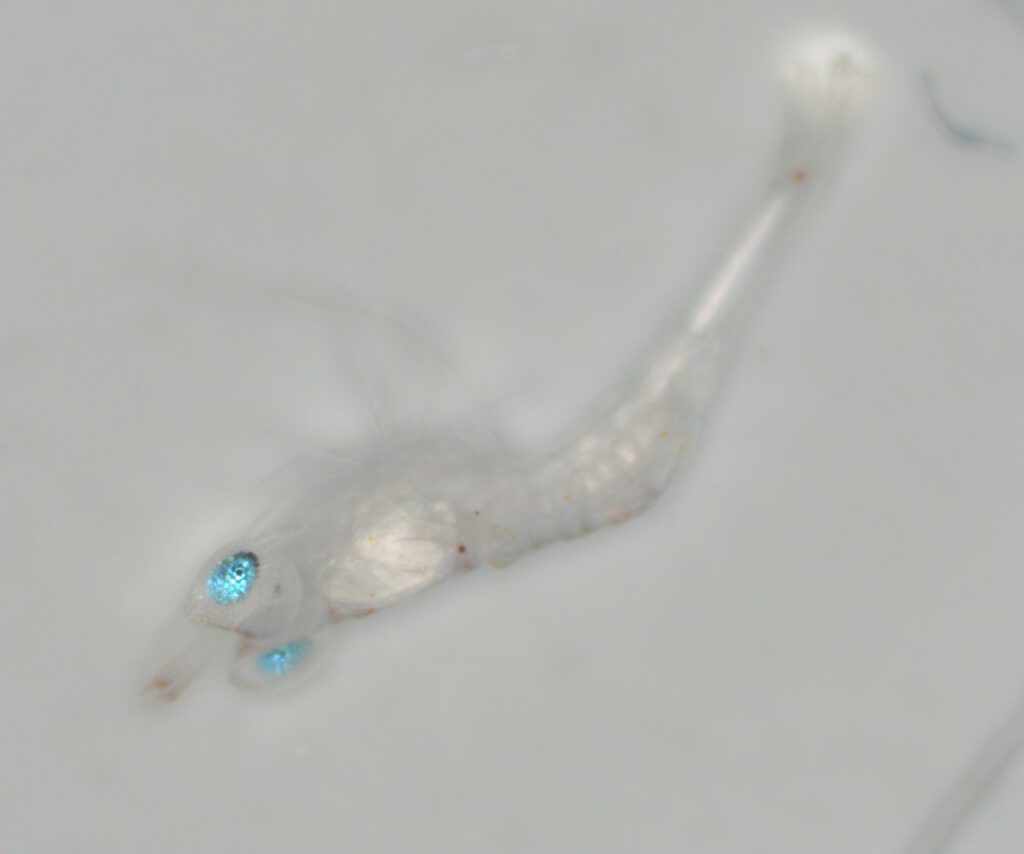
on the shiny reflector that hides the eyes of crustacean larvae in open water.
Our researchers conduct longest shark “catch and release” program in the Mediterranean Sea
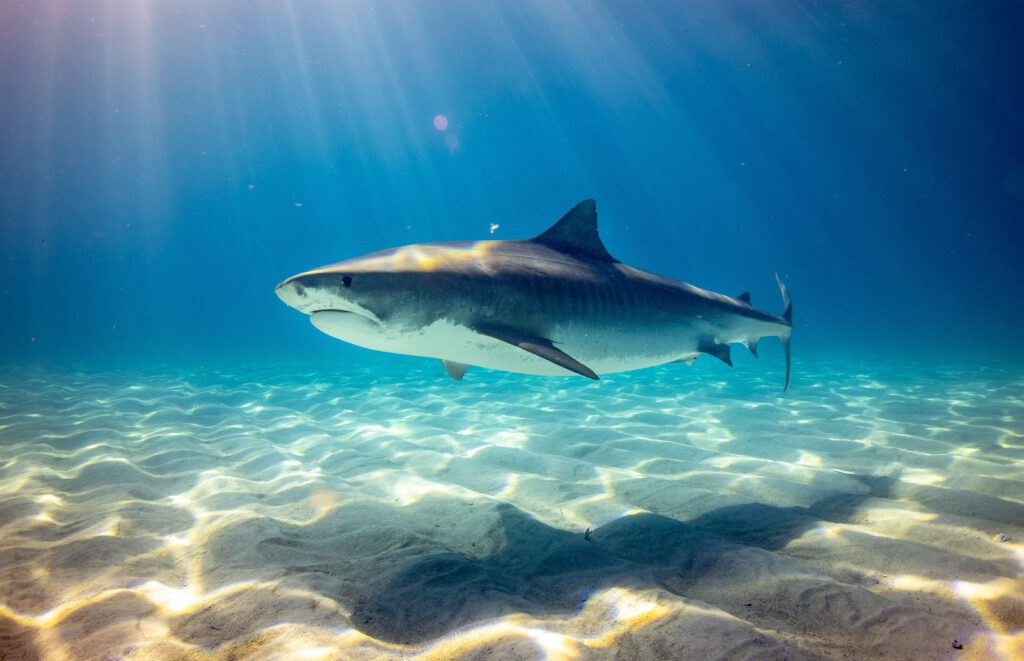
Since 2016, researchers from the Charney School, led by Dr. Aviad Scheinin (Apax Marine Predator Lab at the Morris Kahn Marine Research Station) have caught, sampled, and successfully released over 80 sharks (the dusky and sandbar species), around Hadera’s electric power plant.
Last week we went to explore the Dead Sea region with our MSc and PhD students
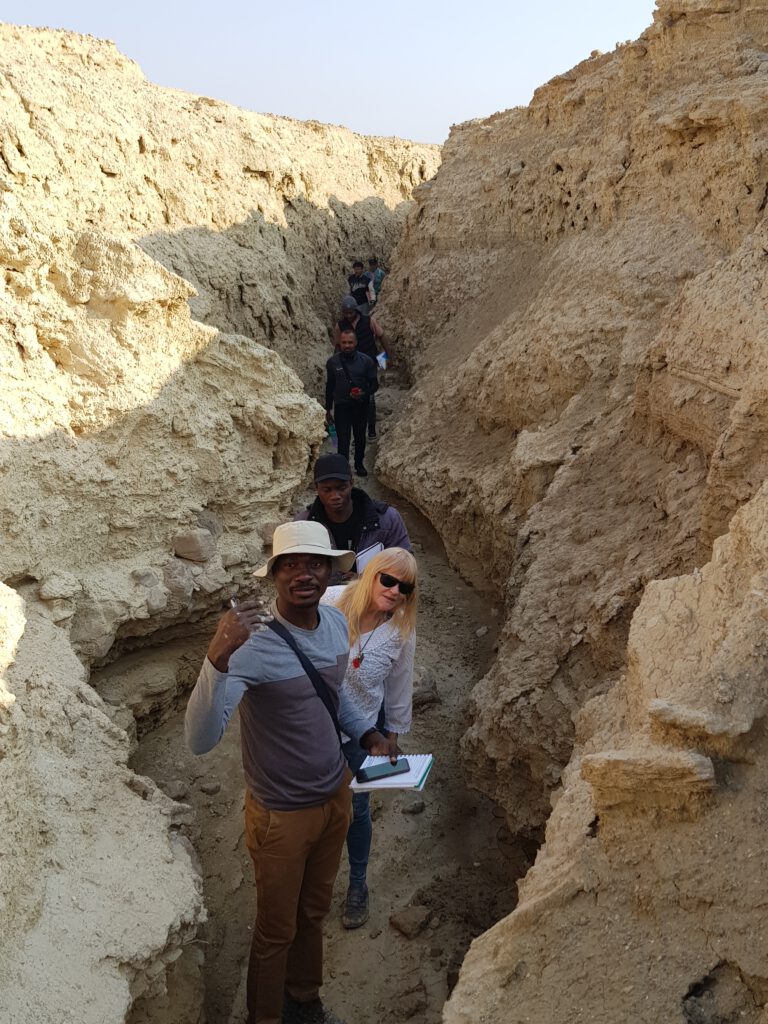
as part of the “Dead Sea analog to Deep Sea” field trip course leaded by Prof. Nicolas Waldmann from the Department of Marine Geosciences. Exceptional lacustrine outcrops surround the current receding levels of the Dead Sea and allows to identify at extreme high-resolution, different processes, sediment architecture and facies, which can be used as analog to similar settings in the deep sea environment. In other words: diving into the deep sea, without getting wet!
We just came back from a journey of 150 million years in three days
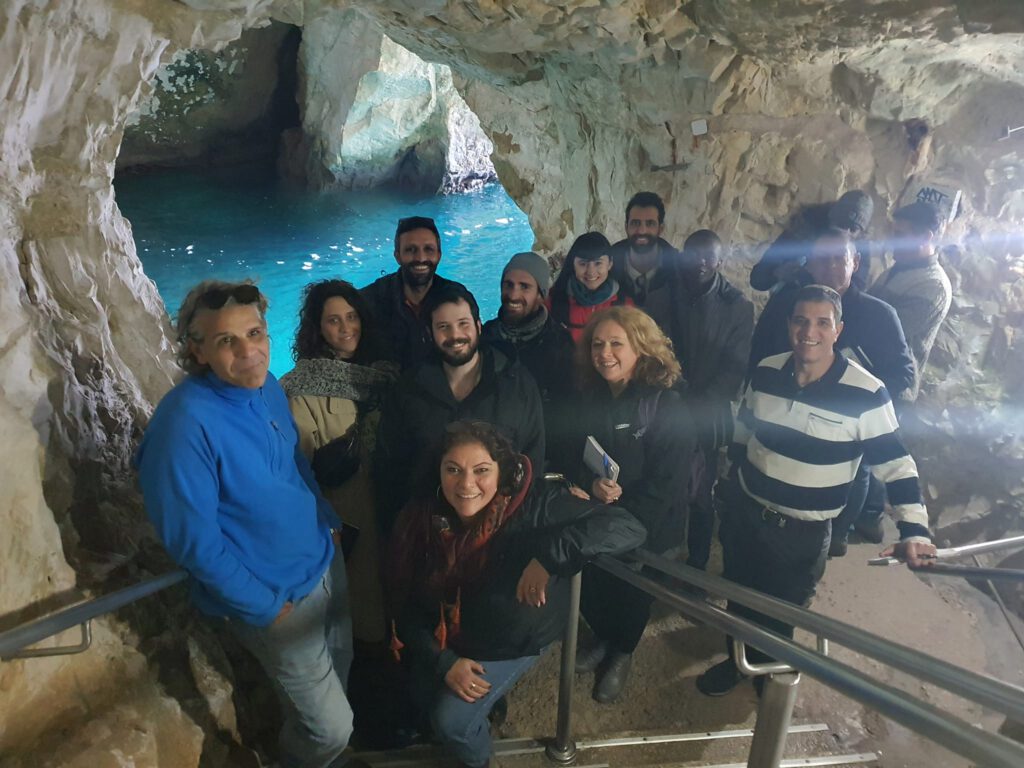
As part of the “Tethys Sea to the Mediterranean” fieldtrip of the Dr. Moses Strauss Department of Marine Geosciences in northern Israel, we climbed to the footsteps of the highest mountain in Israel (Mt Hermon) and went down to the Mediterranean Sea, in a journey through time. We learned the geology of the region and tried to understand why Israel is “the gift of the sea” and how the regional landscape was formed
The sharks have returned — to the warm waters off Hadera power station

The sharks have returned — to the warm waters off Hadera power station 28.11.19 Scientists begin tagging specimens for research, warn public to stay away, though intrepid divers are expected […]
Israel-Australia study highlights risks of selective adaptation in coral
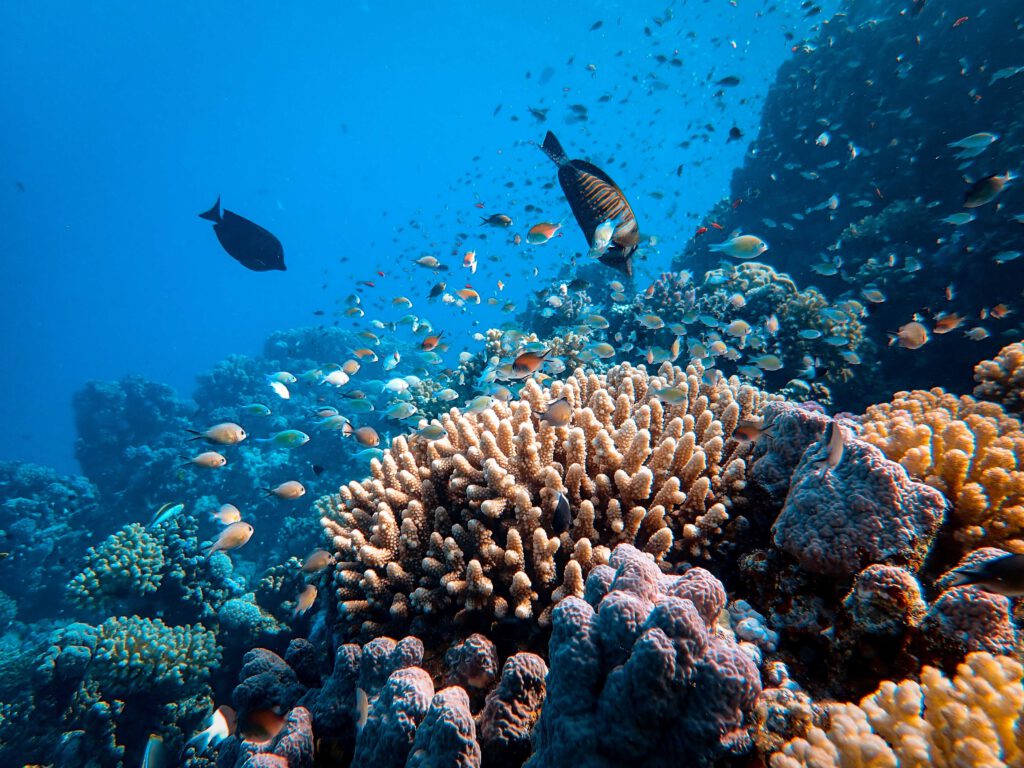
A new study conducted by Prof. Tali Mass of the Department of Marine Biology, in collaboration with the University of Technology Sydney, Australia, has found that preserving the genetic diversity of a large number of corals growing in various living conditions increases the chances of their survival under various extreme conditions. The findings of the study were published in both the Jerusalem Post and Forbes newspapers
Charney School team and the GEOMAR Helmholtz centre research team successfully deploys joint cutting-edge deep sea climate change joint research
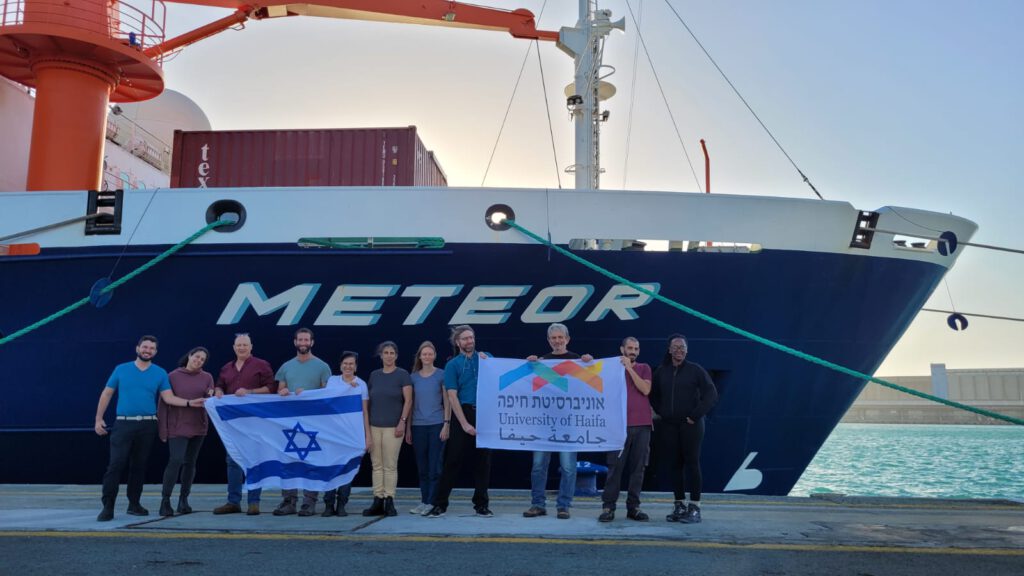
We recently celebrated the inaugural launch of the “Eastern Mediterranean Sea Centre – An Early-Warning Model-System for our Future Ocean” project, a collaborative effort with the Germany-based GEOMAR Helmholtz Centre for Ocean Research Kiel.

